Current Exhibition · Gstaad

Vito:
Drift Notes

Twenty-two years of work

15 February – 15 October 2026

Oldenhornstrasse · Gstaad
By appointment February–June · Open to visitors July–October
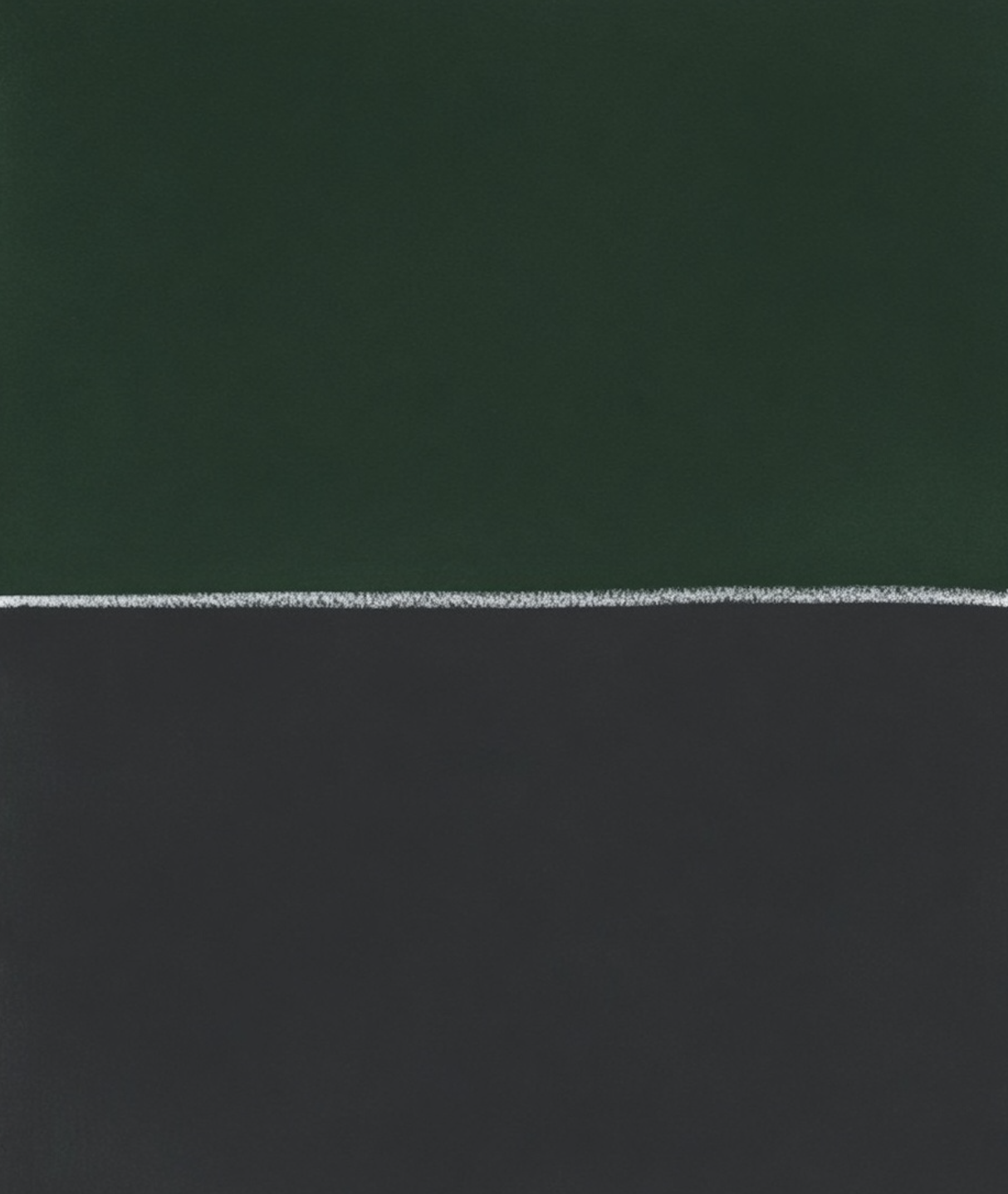
View Exhibition
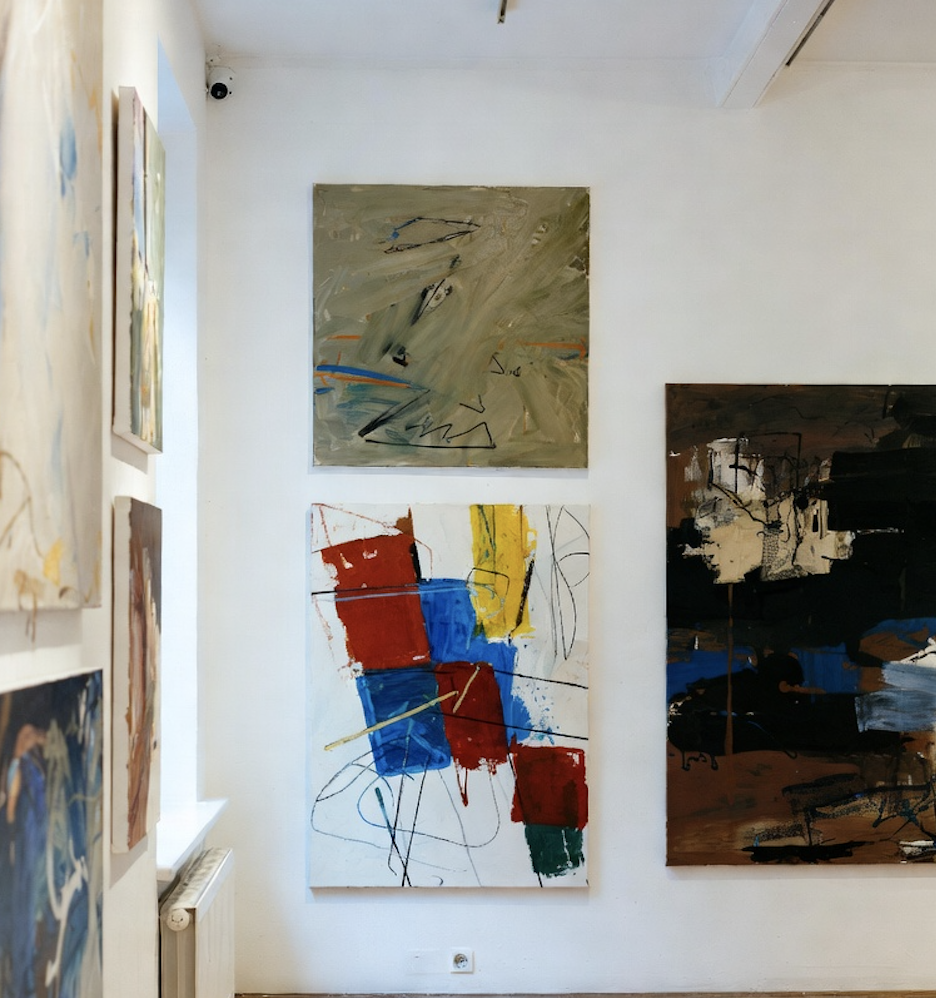
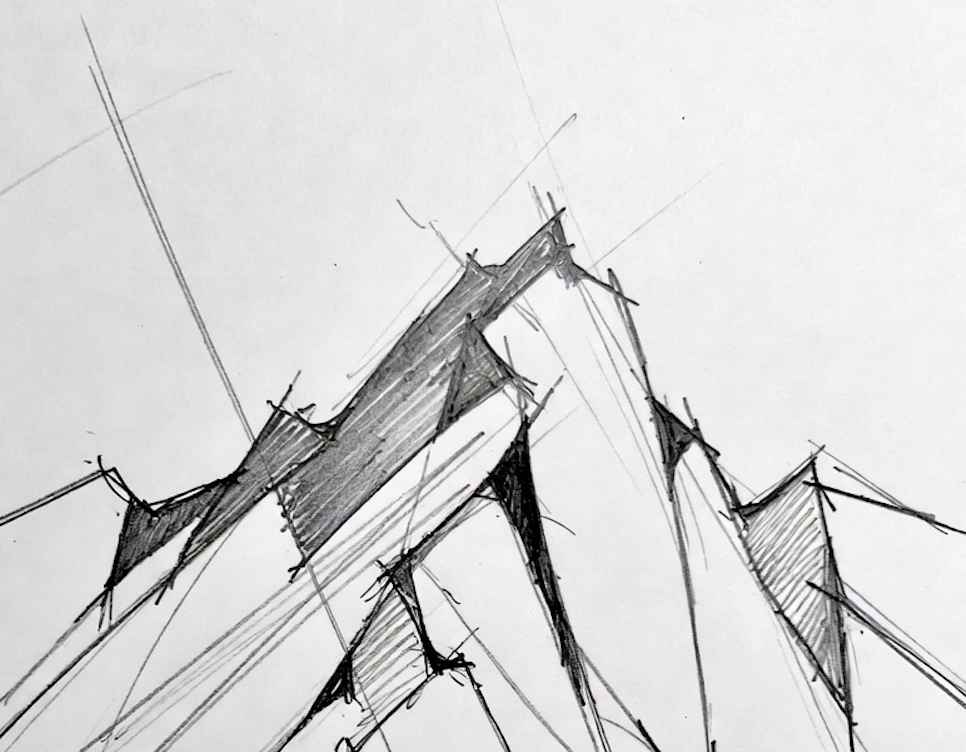
Vito: Drift Notes, installation view
Upcoming · Art Basel 2027 Gstaad Gallery will participate in the Statements sector of Art Basel in June 2027. View Artists →
Bursary · 2026

The Gstaad Gallery / Saffran Studio Bursary for 2026 has been awarded to Eli Kloos. The annual CHF 10,000 unrestricted grant supports the artist’s continued practice without financial constraint. The bursary is accompanied by a studio visit by Nina Pinault and a Foundation representative, maintaining an ongoing connection with the artist’s development.

Exhibition Statement

Displacement as Method.
Memory as Material.

Vito: Drift Notes brings together works made over twenty-two years and across four continents. The exhibition considers displacement not as a condition to be resolved, but as a productive space in which observation, memory, and form converge.

Across painting and works on paper, references to cities, seasons, and transitional states recur. Nordic atmospheres, North African signs, and the weathered surfaces of Mediterranean architecture are brought together through linen, raw canvas, charcoal, and pigment.

Full Exhibition Details
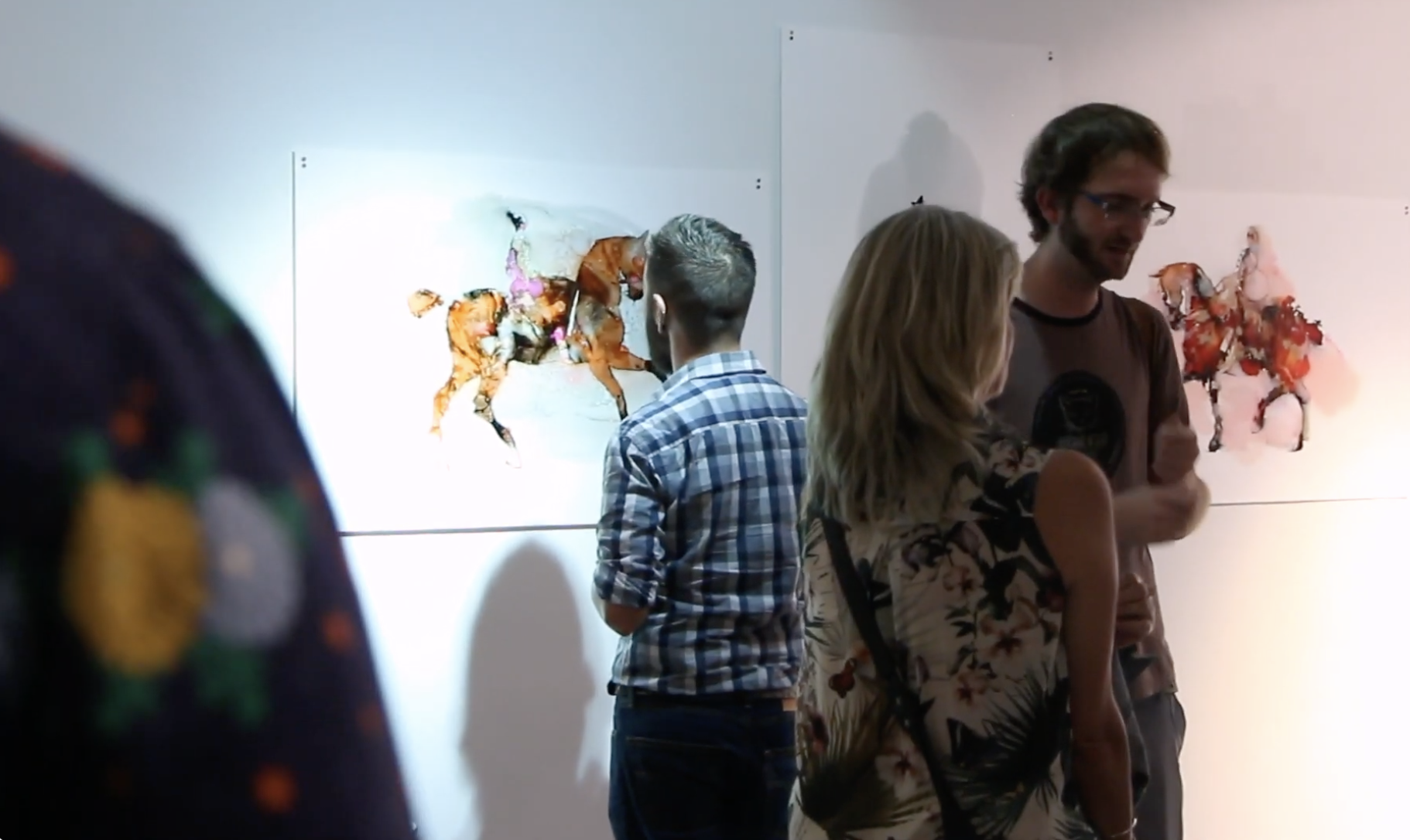
Vito: Drift Notes, detail

Selected
Artists

Gstaad Gallery works with a small group of artists through sustained relationships and private patronage.
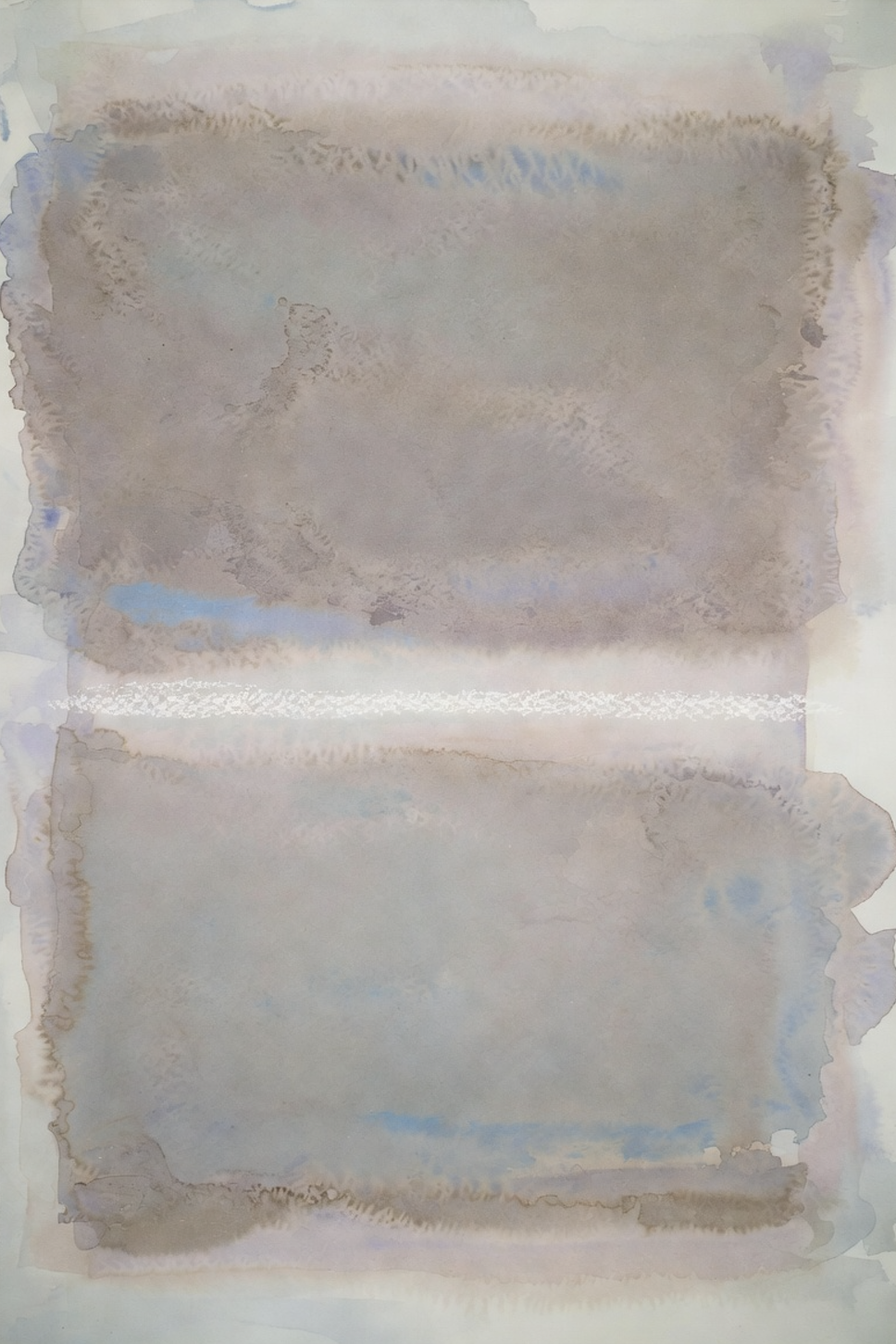
Work by Vito

Vito

New York / Reykjavik / Marrakech

Drift Notes — Oil on linen, charcoal on handmade paper, and pigment on raw canvas.
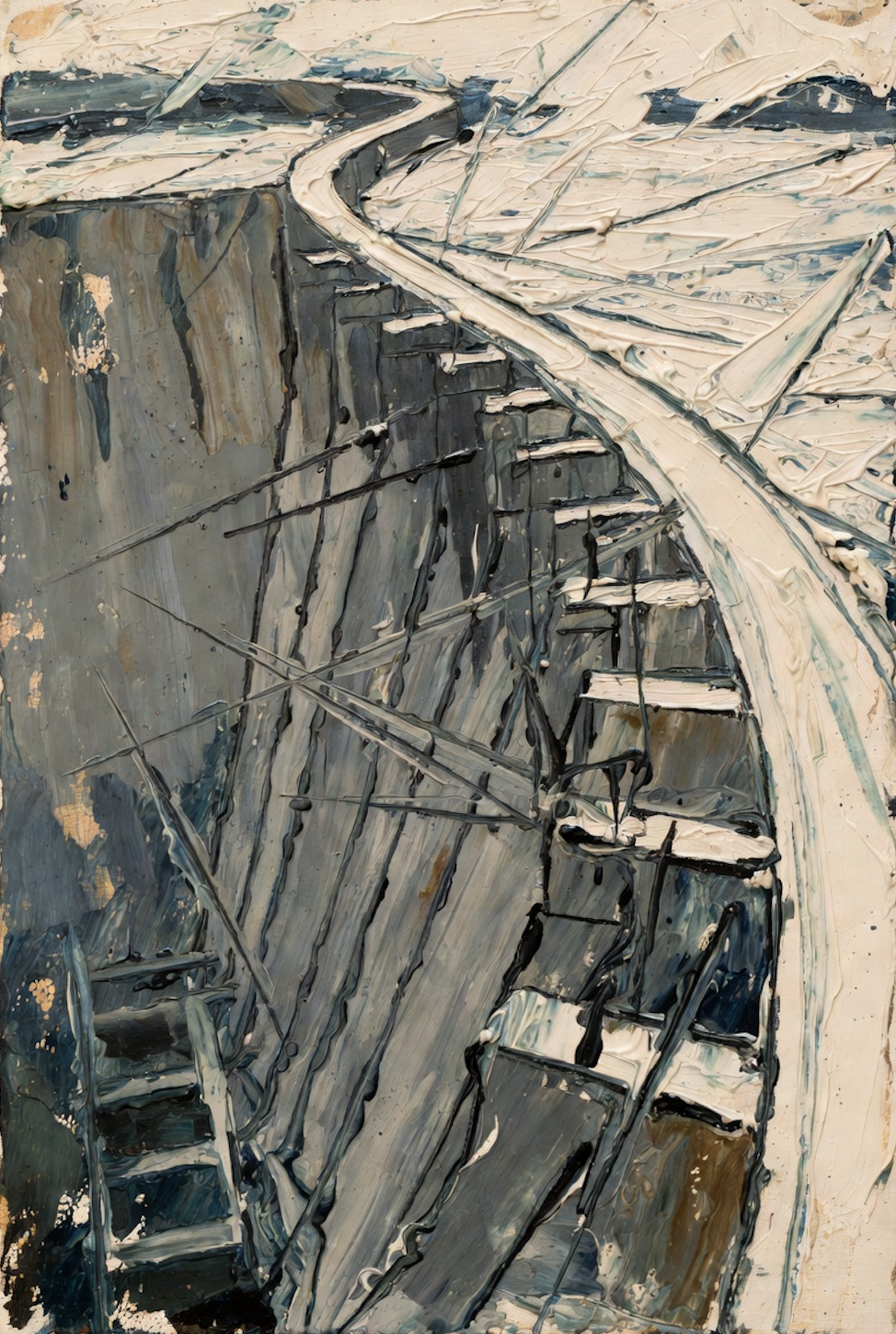
Work by Lukas Brenner

Lukas Brenner

Zurich

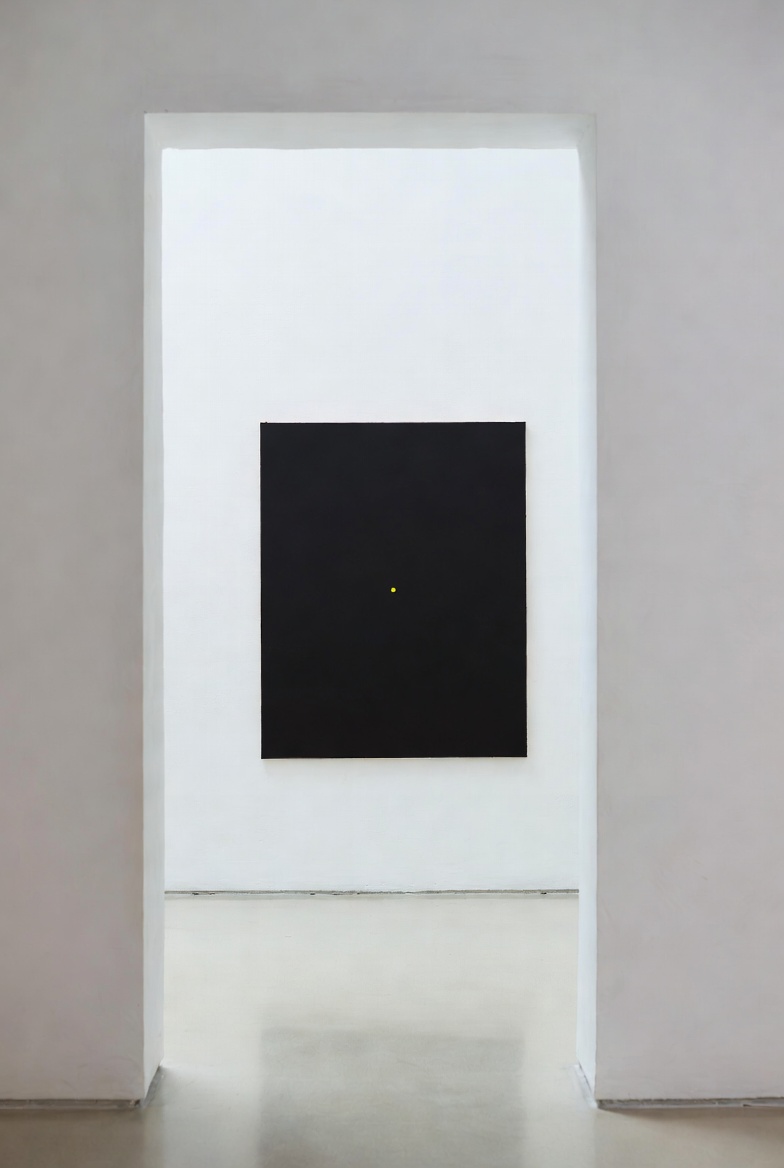
Stillstand — Large‑format oil paintings of alpine infrastructure drained of human presence.
Work by Marlene Hofstetter

Marlene Hofstetter

Berlin

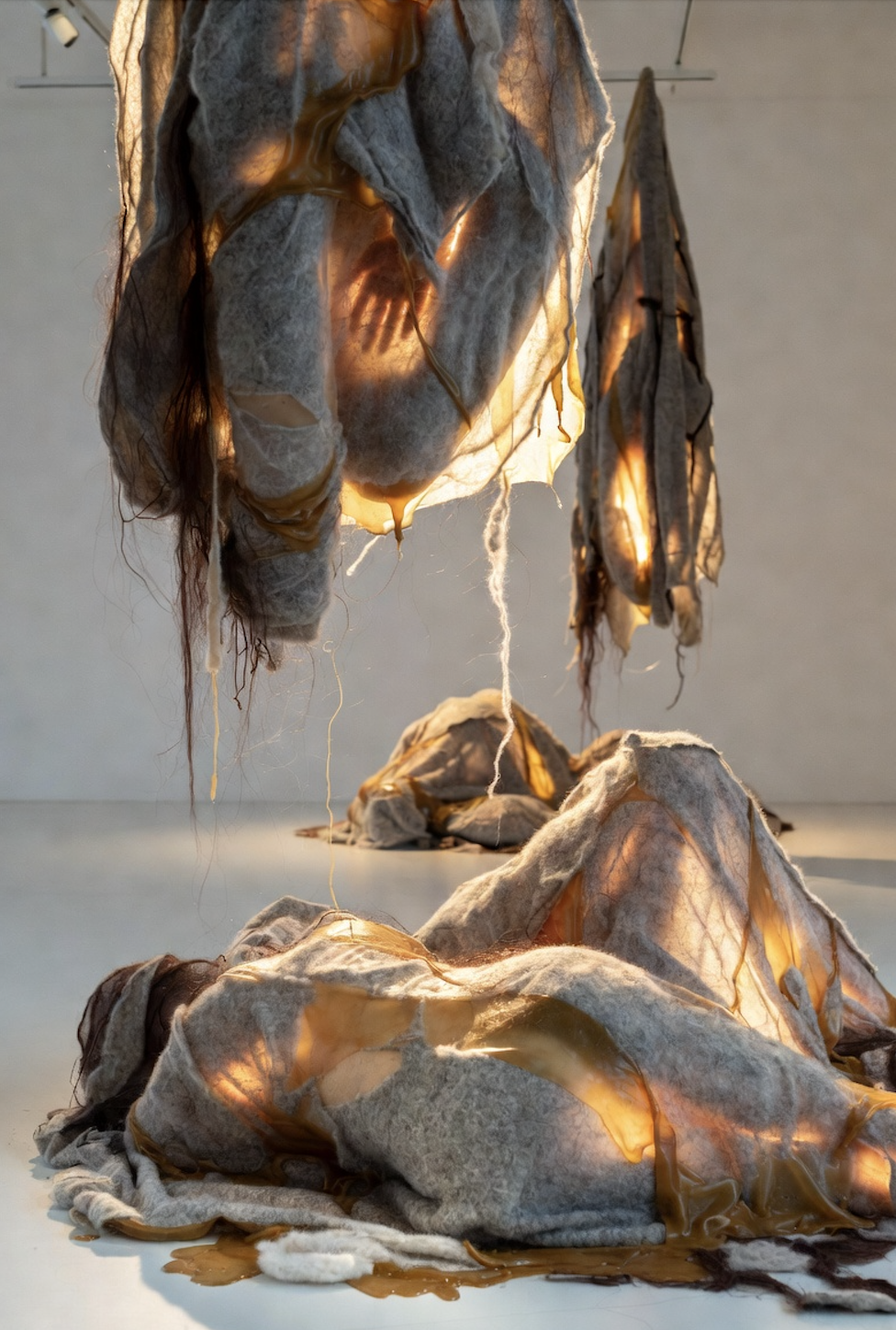
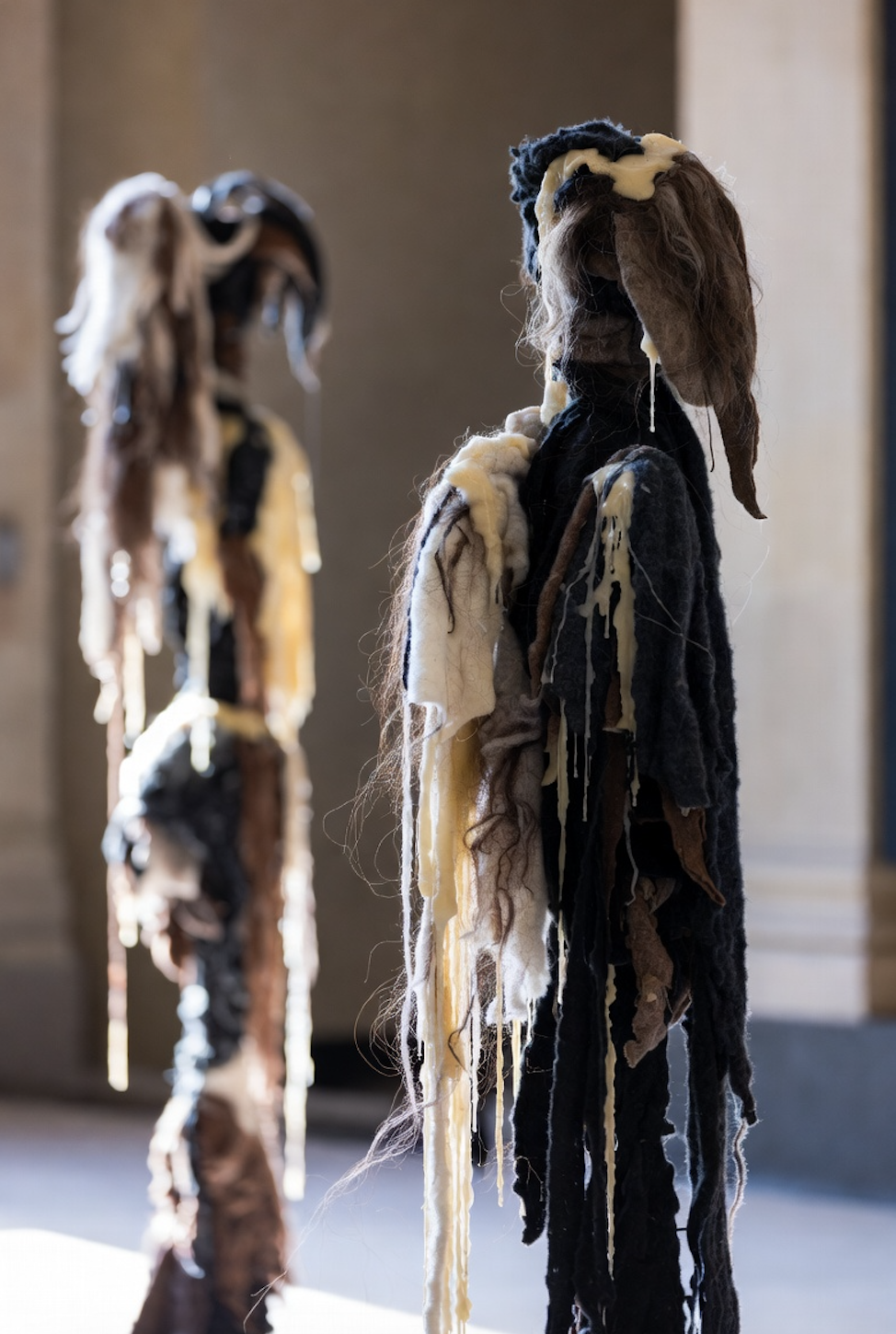
Haut — Sculptural installations in industrial felt, beeswax, and human hair.
All Artists
Gstaad Gallery interior
About

Nina Pinault
GSTAAD GALLERY

Nina Pinault has collected for more than three decades, with a particular engagement with post-war abstraction and artists including Willem de Kooning, Philip Guston, and Joan Mitchell. Works from her collection have entered private and institutional collections.

Her collecting practice is accompanied by long-term support for emerging artists, including studio support and the placement of new work within an international network of collectors. The Gstaad Gallery / Saffran Studio Bursary extends this commitment through direct, unrestricted support.

The gallery provides a setting for close looking and conversation. Exhibitions are presented periodically, with the gallery open to visitors from July through October.

Oldenhornstrasse · Gstaad

Enquire
Agnes Gund, recollection by Nina Pinault, March 2025

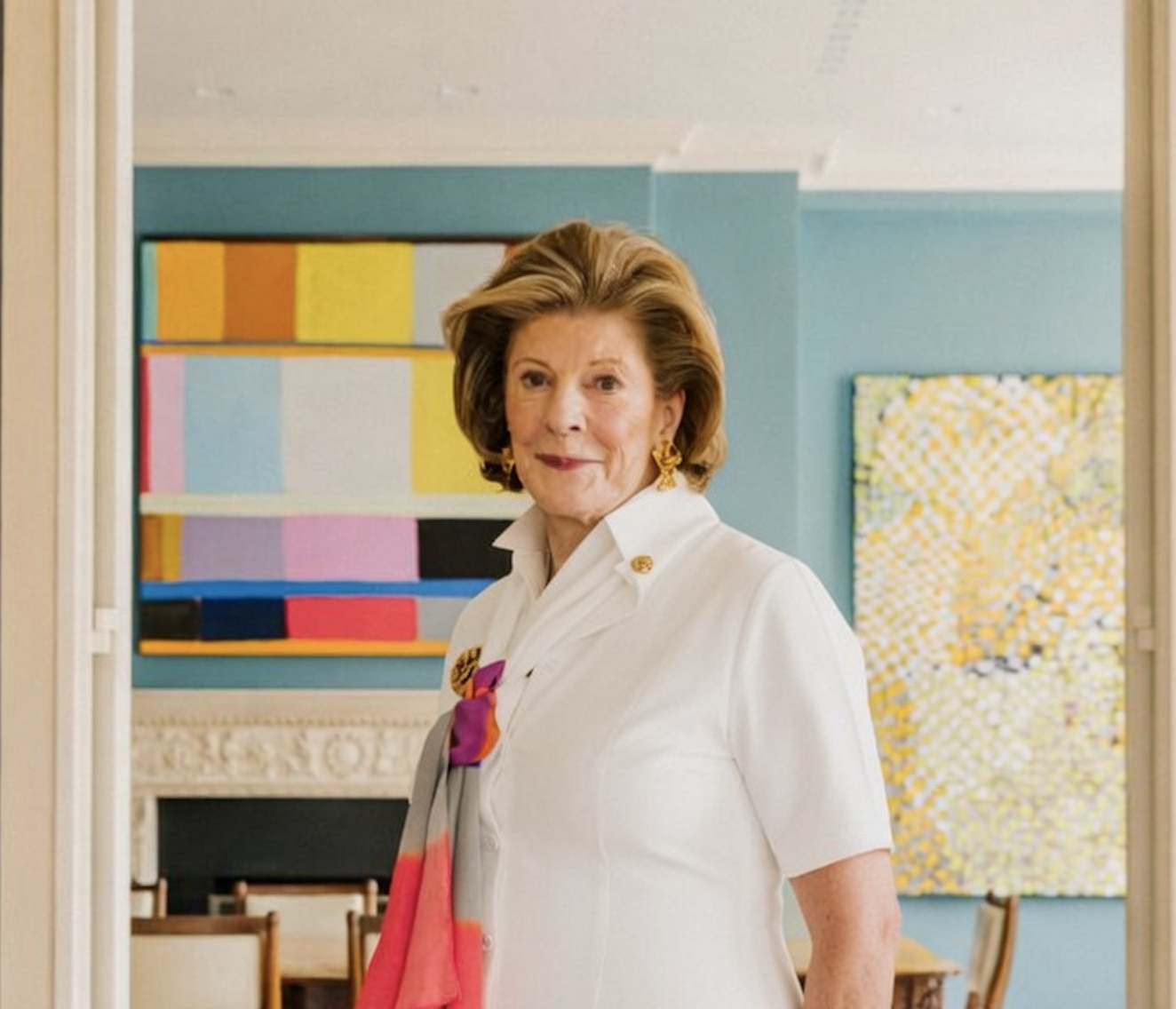
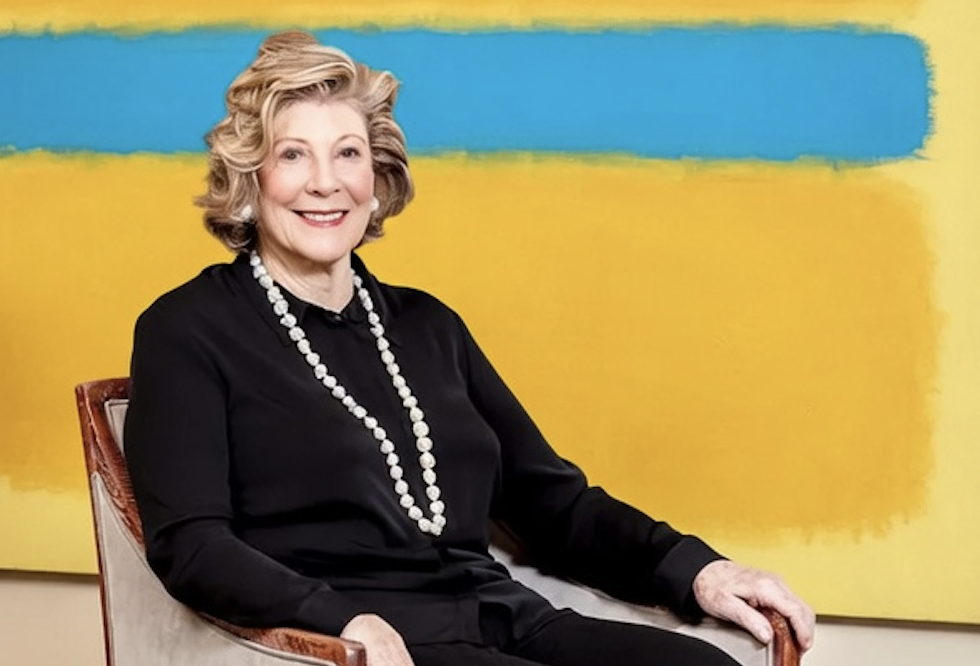
Agnes Gund at home in New York, 2023. Photography: Gstaad Gallery Archive.

Recollection · March 2025

Living with Art:
Agnes Gund

Essay by Nina Pinault · New York / Gstaad

In March 2025, Agnes Gund spoke with Nina Pinault from her home in New York about collecting, patronage, and the works that remained important to her over decades. This recollection is based on notes made during and after the conversation and was written following Gund’s death in September 2025, with the permission of her estate.

Art is not an investment. It is a companion. Some companions are easy. Some are not.— Agnes Gund
Recollection · December 2024

Living with Art:
Daniel and Arno Saffran

Essay by Nina Pinault · Gstaad, December 2024

Daniel Saffran (1952–2025) played a formative role in the development of the programme. In December 2024, he spoke with Nina Pinault at Gstaad, together with his son Arno, about three decades spent living with works by Rothko and Richter. This recollection is based on notes made during and after the conversation and is published with the permission of The Saffran Trust.

Don't collect for investment. Collect for company. A painting that stays with you — that's a companion. You don't sell companions. — Daniel Saffran
An Evening with Daniel and Arno Saffran, Gstaad Gallery, December 2024

Gstaad Gallery, December 2024. Photography: Gstaad Gallery Archive.

Read the Recollection
Tina Breitenbach, Bern collector, Living with Art series

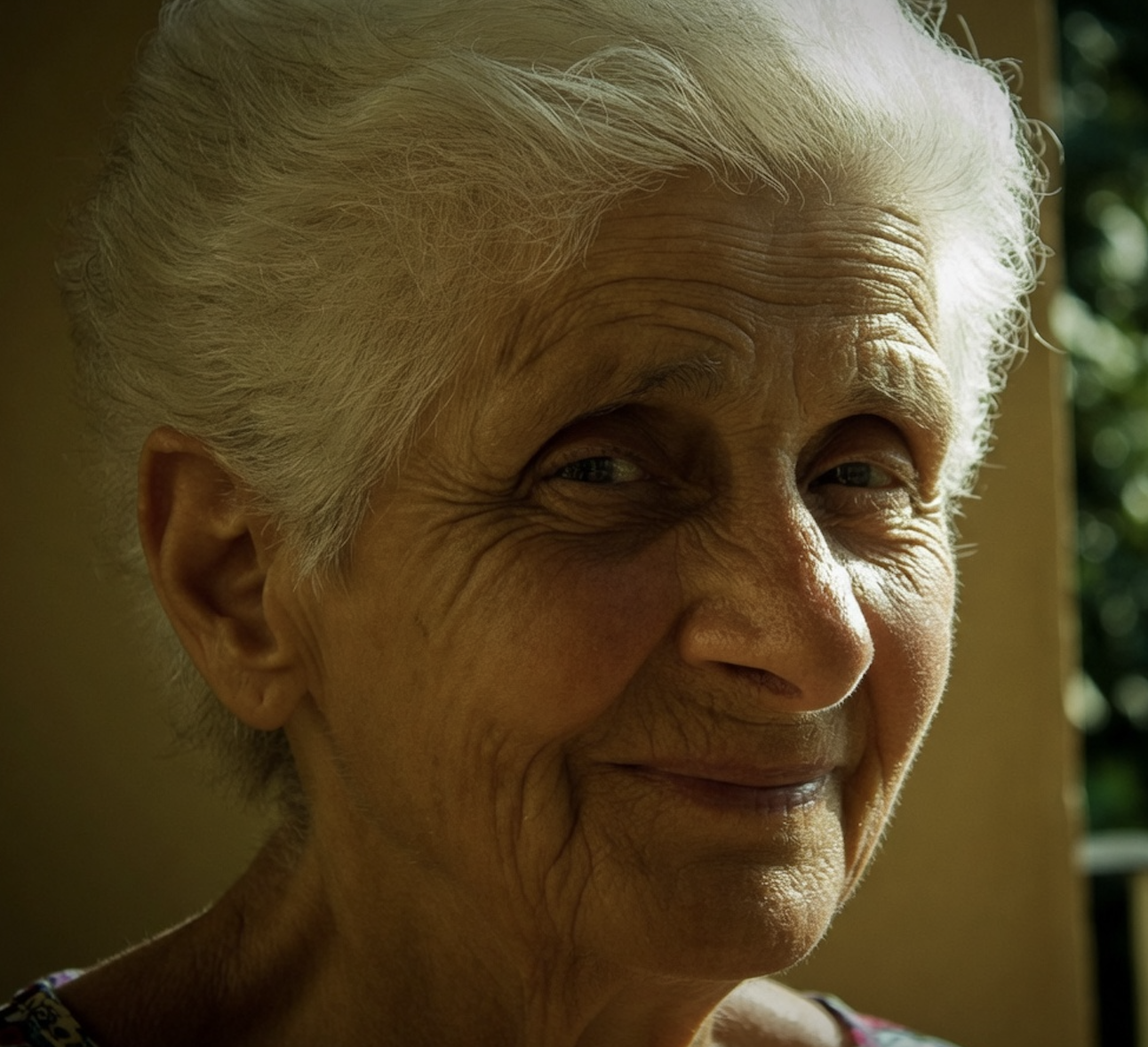
Tina Breitenbach at her home in Bern. Photography: Gstaad Gallery Archive.

Living with Art · Essay · September 2026

Living with Art:
Tina Breitenbach

Essay by Nina Pinault · Bern, Switzerland

Tina Breitenbach is a collector based in Bern whose approach to art has developed through estate sales and general auctions. A regular visitor to Gstaad Gallery, she approaches exhibitions through close looking and sustained curiosity.

Her experience offers a perspective on collecting grounded less in acquisition than in attention: the conviction that a sustained engagement with art can begin anywhere, and that looking closely is itself a form of knowledge.

I wish I had started earlier. I wasted too many years thinking I was not the kind of person who collected things. But I was. I just did not know it yet.— Tina Breitenbach

Exhibition
History

  • Summer 2025

    Swiss Painting Now

    A selection of work by a new generation of Swiss painters engaging with abstraction, gesture, and the material possibilities of paint.

    Lea Tschudi · Sophie Bär · Anna Ziegler
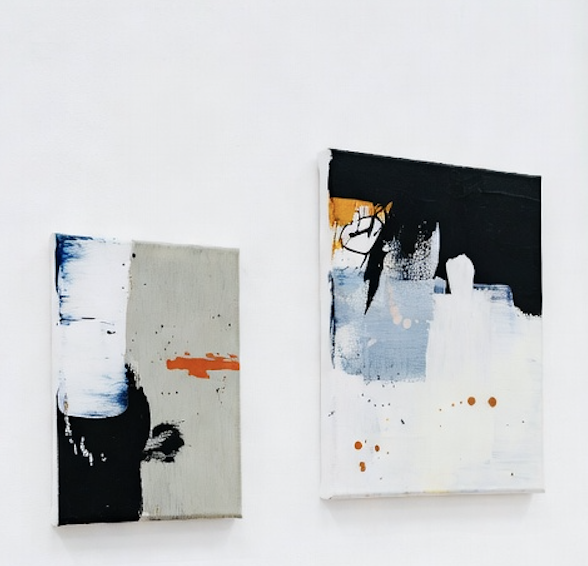
    Swiss Painting Now
  • Winter 2025–26

    Post‑War Abstraction: Selections from The Saffran Trust

    A selection of works from The Saffran Trust, including a 1958 Rothko and a 1994 Richter, reflecting Daniel Saffran’s long-term engagement with post-war painting.
    Saffran Estate
  • Autumn 2024

    Material Gesture

    Sculpture and installation by German and Austrian artists examining material, touch, and the trace of the hand. The gallery’s inaugural exhibition.

    Marlene Hofstetter · Felix Kessler · Julian Bergmann
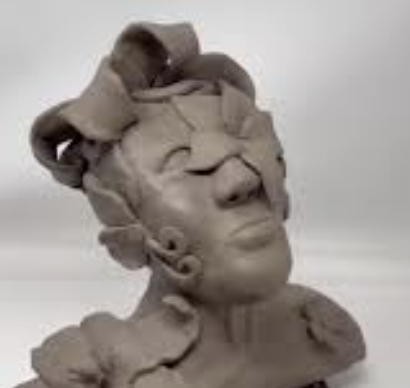
    Material Gesture
Full Exhibition Records

Emerging Artist Enquiries

The programme develops through sustained relationships. Enquiries are welcomed directly.

"To drift is not to escape. It is to remain open to the wound of beauty."
— Vito, Drift Notes, 2026

Visit the Gallery

Open to all July – October, 11 AM – 4:30 PM. Outside these months, visits can be arranged directly.

Contact the Gallery

Living with Art

An ongoing series of essays and recollections about lives built around looking. Not about the market. About the painting that follows you into other rooms.

Read the Series
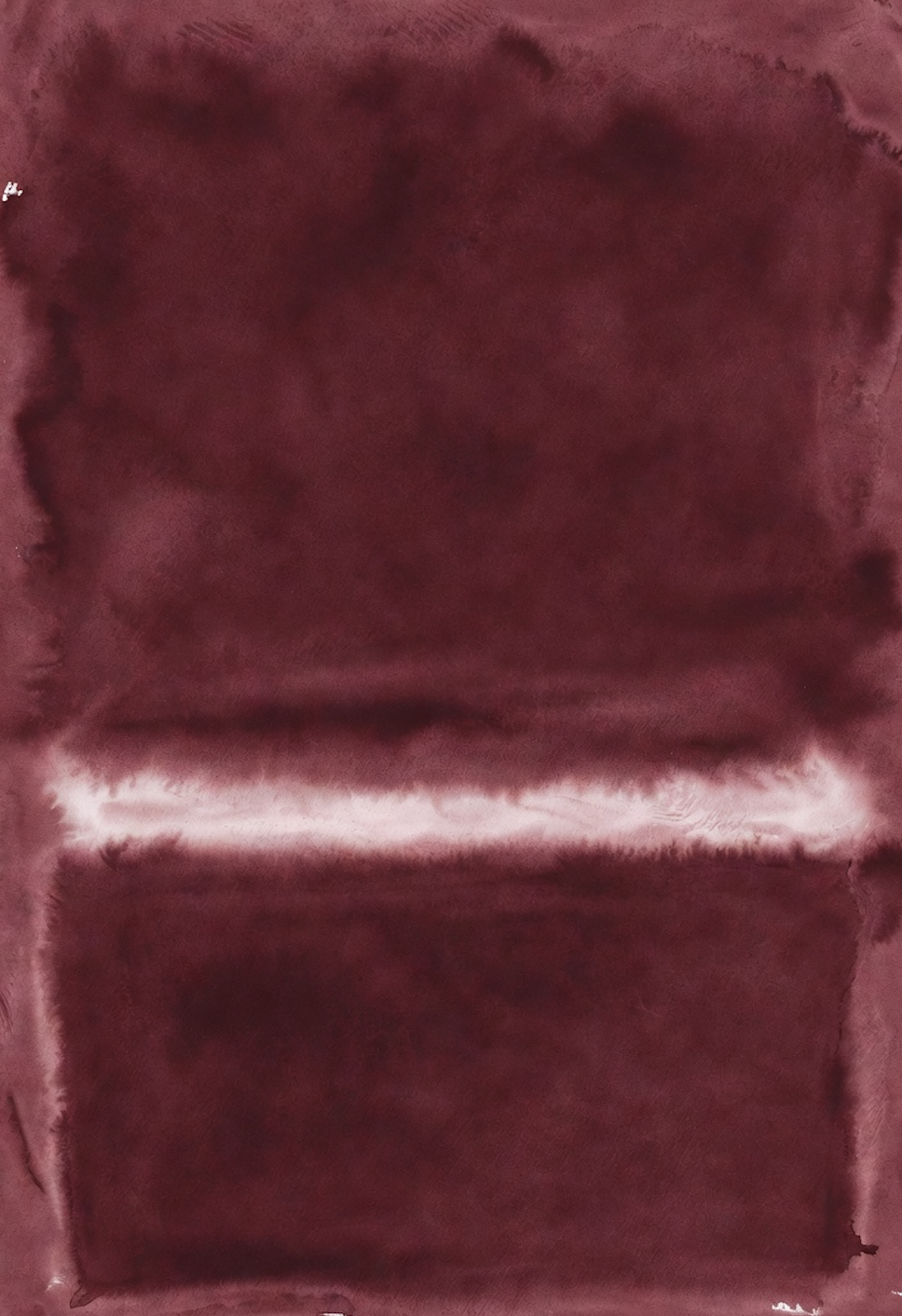
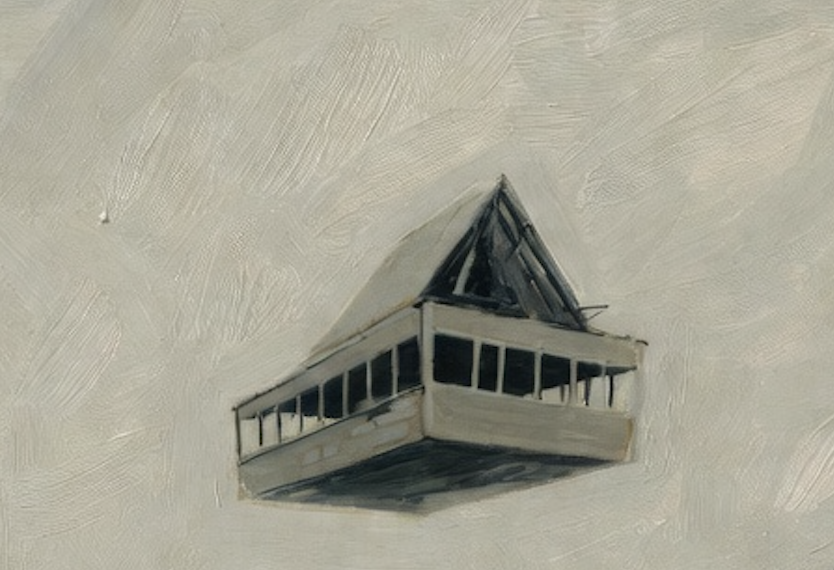
Artists

Gstaad Gallery works with a small group of artists through long-term relationships with private patrons. The programme is shaped by sustained engagement with artists and by the development and placement of work over time.

Work by Lukas Brenner

Lukas Brenner

Zurich

Stillstand

Large-format paintings of alpine infrastructure—including cable-car stations, reservoirs, and mountain huts—considered in the absence of human presence.

Work by Marlene Hofstetter

Marlene Hofstetter

Berlin

Haut

Sculptural installations in industrial felt, beeswax, and human hair that consider touch, memory, and the persistence of the trace.

Work by Sebastian Auer

Sebastian Auer

Vienna

Bruchlinie

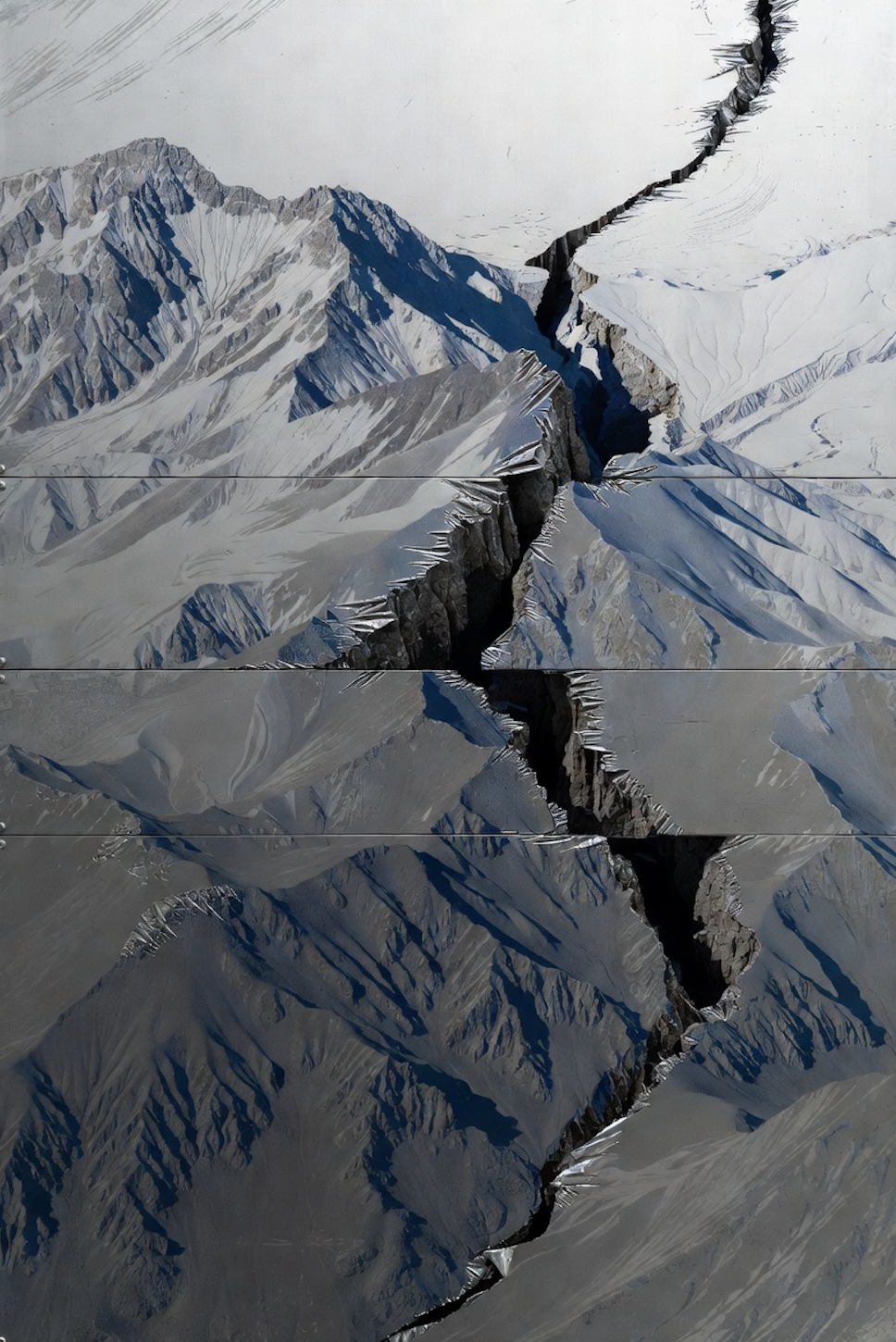
Photographic works depicting geological fault lines in the Alps, printed on aluminium and abraded along the line of the fault.

Work by Lea Tschudi

Lea Tschudi

Basel

Lärm

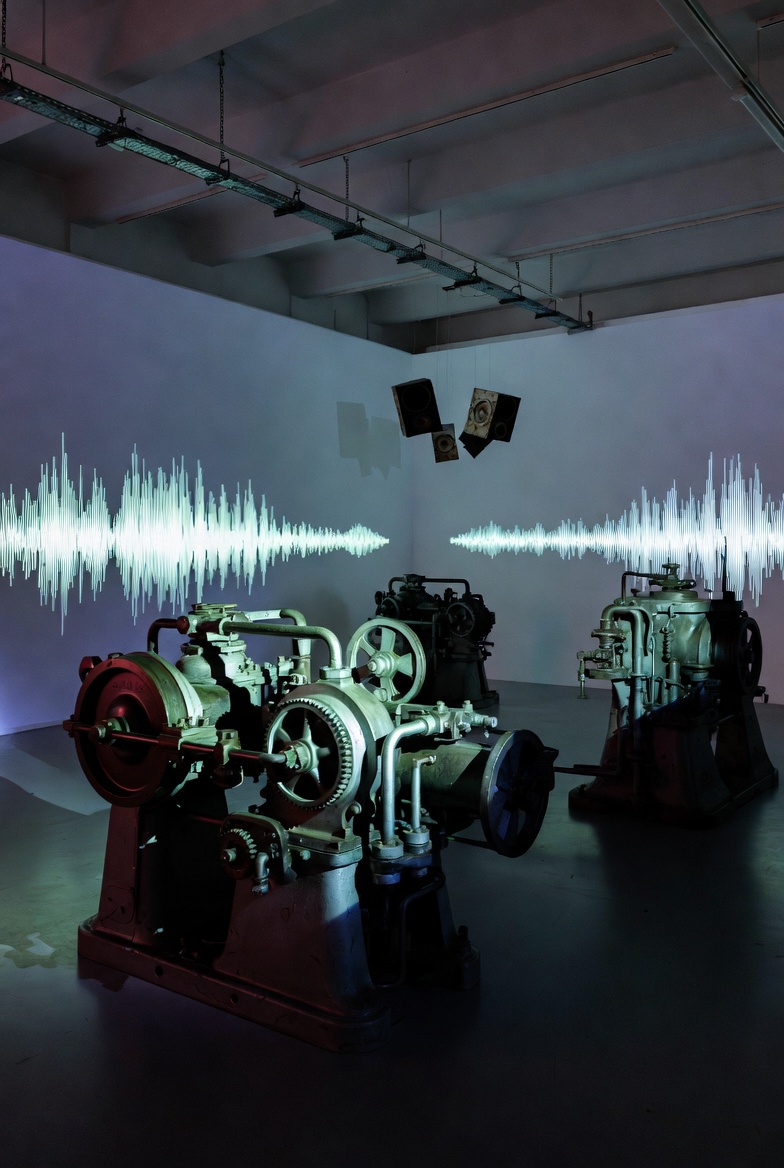
A sound installation built from field recordings of Swiss factories, including textile mills, bottling plants, and recycling centres, slowed towards near silence.

Work by Felix Kessler

Felix Kessler

Leipzig

Schutt

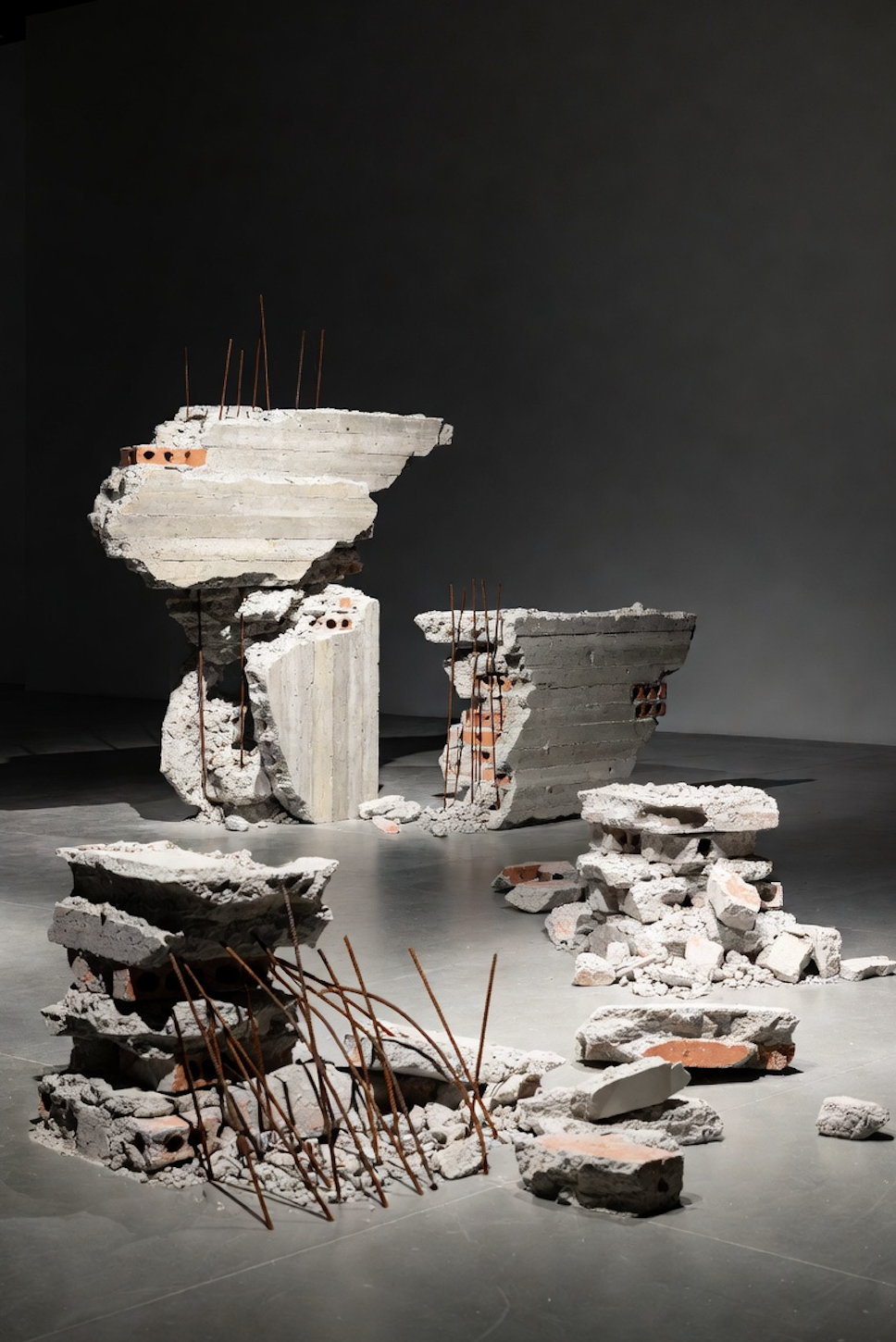
Assemblages incorporating brick, plaster, and rebar cast in pigmented concrete, evoking fragments of an imagined architecture.

Work by Nina Weber

Nina Weber

Lucerne

Atem

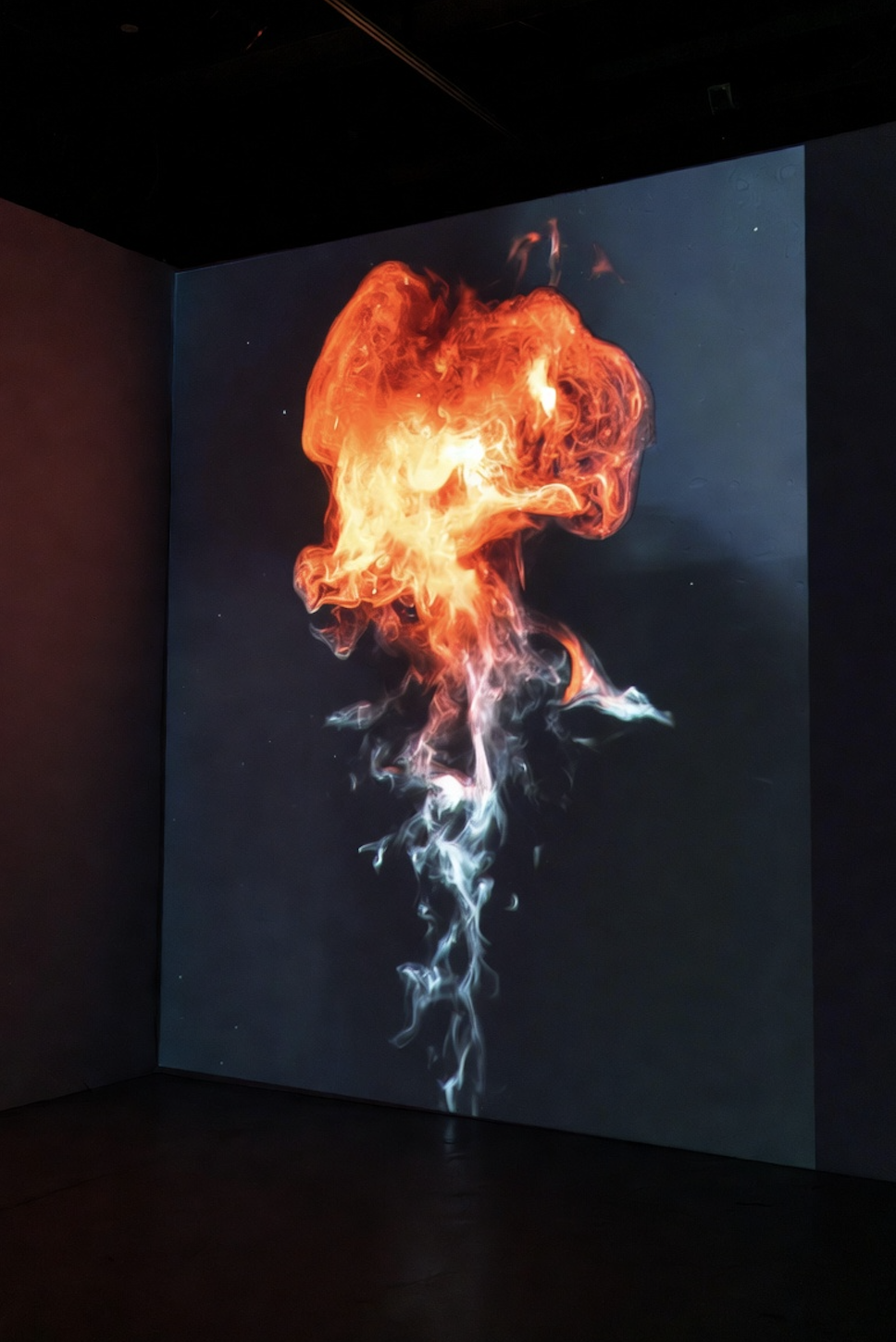
A video installation centred on a single breath, recorded through thermal imaging and gradually desaturated over a twelve-minute loop.

Work by Julian Bergmann

Julian Bergmann

Cologne

Spur

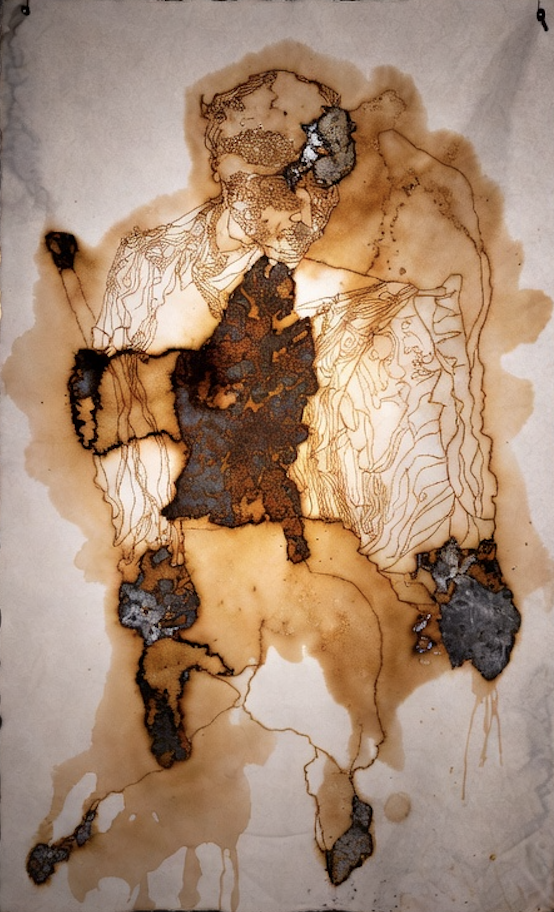
Works on paper using iron gall ink and rust, allowing oxidation and change to become part of the work over the course of an exhibition.

Work by Sophie Bär

Sophie Bär

Bern

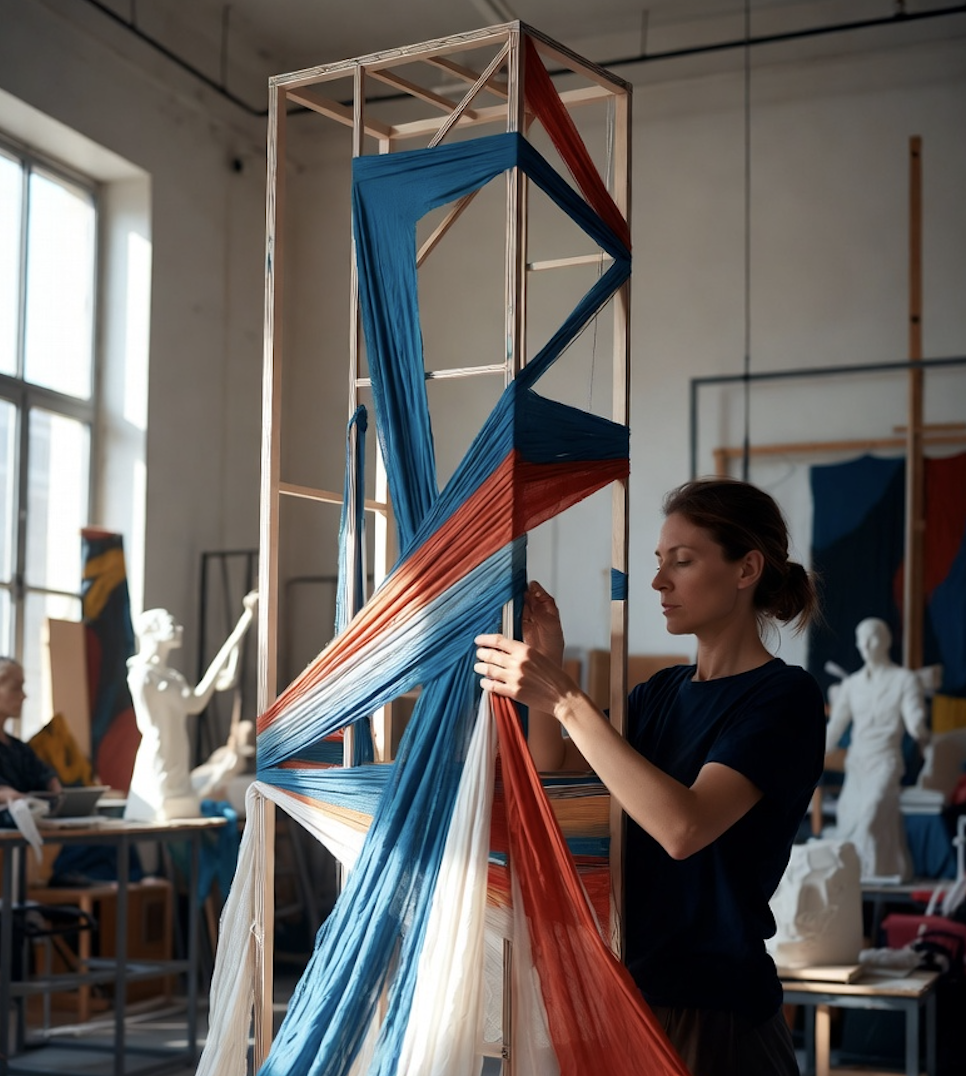
Nest

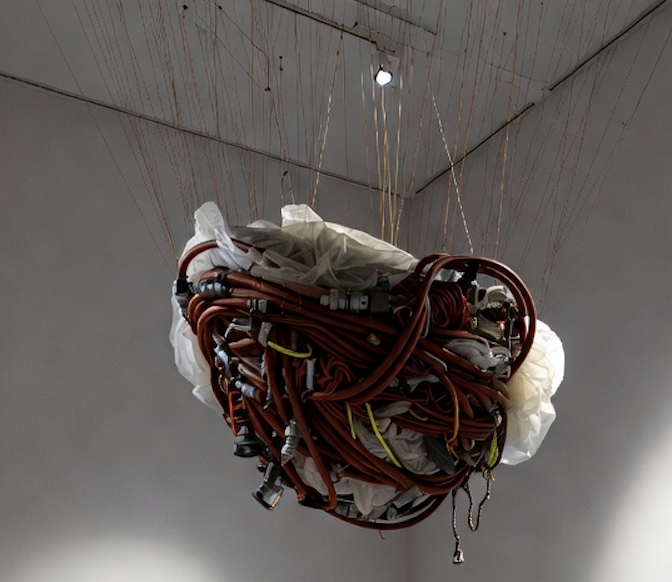
Woven sculptures made from discarded fire hoses, climbing rope, and paraglider fabric, evoking nests, cocoons, and provisional shelters.

Work by David Meier

David Meier

Hamburg

Kielwasser

A single-channel film shot from the stern of a container ship travelling from Rotterdam to Basel, projected at floor level.

Work by Anna Ziegler

Anna Ziegler

Geneva

Fenster

Glass panels sandblasted with floor plans of demolished Geneva apartment buildings, allowing light through while partially obscuring the view.

Art Basel 2027 · Statements

The programme develops through sustained relationships. Enquiries are welcomed directly.

julian.skinner@gstaadgallery.com
Programme

Exhibitions

Current Exhibition

Vito: Drift Notes

15 February – 15 October 2026 · Oldenhornstrasse, Gstaad

Displacement has been central to Vito’s practice, where wandering becomes a method of looking and making. In Drift Notes, works made across different periods and places engage with states of waiting, transition, and memory.

"To drift is not to escape. It is to remain open to the wound of beauty."

The gallery is open by appointment from February through June and to visitors from July through October. The exhibition is accompanied by a catalogue featuring an essay by Hélène Cixous and a conversation between Vito and Etel Adnan (in memoriam).

View Artist Profile
Vito: Drift Notes, installation view
Installation view, Vito: Drift Notes, Gstaad Gallery, Gstaad, 2026; Artworks © Vito; Photo by Arlenis Castellano; Courtesy the artist and Gstaad Gallery.

Works in the Exhibition

2008

Hypnopomp Series

Oil on linen paintings concerned with the transitional state between sleep and waking.

2017

Salt Line

Pigment and seawater on linen, using the material of erosion to evoke a coastline.

2024

Stationary Migration

Charcoal diptychs depicting deserted ferry terminals on handmade paper.

2026

Elegy for a Lighthouse

Large-scale oil on raw canvas, commissioned for and made at Gstaad.

Summer 2025

Swiss Painting Now

A selection of works by emerging Swiss artists, developed through studio visits in Basel, Bern, and Geneva.

Lea Tschudi · Sophie Bär · Anna Ziegler

Swiss Painting Now, 2025

Monday 6 July 2026

Reading & Conversation:
Alpine Dark

Poet Lukas Zaugg reads from Gstaadergrund, a new cycle of prose poems concerning winter light and the silence of the Oberland, with painter Marianne Studer.

Free entry. Reservations required. Enquiries: info@gstaadgallery.com

Reading at Gstaad Gallery, July 2026

Autumn 2024

Material Gesture

Sculpture and installation examining material, touch, and the trace of the hand. The gallery’s inaugural exhibition.

Marlene Hofstetter · Felix Kessler · Julian Bergmann

Material Gesture, 2024

The programme develops through sustained relationships. Enquiries are welcomed directly.

julian.skinner@gstaadgallery.com
Enquiries & Documentation

Press

Press Enquiries

For press enquiries and requests for images, interviews, or exhibition information, please contact the gallery directly.

Press preview — Vito: Drift Notes: 14 September 2026, by invitation.

Contact: info@gstaadgallery.com

Data & Acknowledgements

Market attribution is provided by Hammer Index.

Catalogue and exhibition texts are developed independently of commercial considerations. Works presented in the gallery’s exhibitions are not offered for sale during their exhibition run.

Press Highlight · December 2024

Living with Art: Daniel Saffran and Arno Saffran

Gstaad Gallery, December 2024 · Posthumous Tribute

Recorded in December 2024, this recollection considers Daniel Saffran’s approach to collecting through discretion, continuity, and a long-term engagement with art.

ArtforumThe Burlington MagazineMonopol
Read the Recollection
"You don't buy paintings. You buy the questions you cannot answer alone."
— Daniel Saffran (1952–2025)

Supporters & Partners

Gstaad Cultural Office

Institutional Partner

Hammer Index

Market Data Partner

Private Lenders

Tokyo · Geneva · Zurich · London

The Saffran Trust

Collection Lender, Winter 2025–26

Art Basel · Statements

Programme Partner, 2027

Vito / The Artist

Featured Exhibition, 2026

Get in Touch

Contact

Gstaad Gallery is a private exhibition space in Gstaad, Switzerland. The gallery welcomes visitors from July through October; visits outside this period may be arranged by appointment.

The gallery’s programme is directed by Nina Pinault. Enquiries are reviewed personally and answered as soon as practicable.

GalleryGstaad Gallery
Nina Pinault Projects
AddressOldenhornstrasse · Gstaad
By appointment
DirectorNina Pinault
OpenJuly – October
11 AM – 4:30 PM · Open to all
Off-seasonBy arrangement
Enquiries received directly
TrustThe Saffran Trust — Arno Saffran, Trustee
Recollection · March 2025

A Zoom with Agnes:
On Living with Art

Written after her death · Published with the permission of the Gund Estate

Agnes Gund at home, New York

Agnes Gund at home in New York, 2023. Photography: Gstaad Gallery Archive.

Agnes Gund — collector, patron, president emeritus of MoMA

A life spent looking

Agnes Gund joined MoMA's International Council in 1967. In 2017, she sold a Lichtenstein to establish the Art for Justice Fund. She died on 18 September 2025, six months after the conversation recalled here. This recollection is published with the permission of her estate.

A Zoom with Agnes Gund: On Living with Art

By Nina Pinault. Written after Agnes Gund's death, from notes made during and immediately after our conversation in March 2025.

Agnes Gund was known as a collector and patron whose engagement with art extended well beyond her own collection. In March 2025, she spoke with Nina Pinault from her home in New York about collecting, patronage, and the responsibilities that accompany both. What follows is a recollection rather than a transcript, based on notes made during and immediately after their conversation.

Gund and Pinault had known one another for four decades, first meeting at MoMA in the 1980s, when Gund was already serving on the museum’s International Council. Their conversation returned to the importance of curiosity in collecting: less the record of what has been acquired than the reasons a work continues to command attention."

Asked when she first understood that art would remain a permanent part of her life, Gund described an experience of sustained looking rather than a single decisive moment. Her first serious purchase was a Henry Moore sculpture, which she subsequently gave to the Cleveland Museum of Art. For Gund, the significance of art lay in its capacity to sustain attention and to enter the life of the viewer.

Gund described a preference for works that resist immediate resolution. Rothko, Twombly, Johns, and Rauschenberg remained important precisely because they continued to pose questions rather than settle into a single interpretation. For her, duration was part of the encounter.

Gund recalled acquiring a Rothko directly from the artist in 1967, the year she joined MoMA’s International Council. Encouraged by Emily Tremaine to visit the studio, she spent time looking before deciding on the painting. She described the decision as intuitive: the work was not something she could fully explain, but it was something she could not leave behind.

I have had that painting for fifty-eight years. I still don't know what it means. But I know I can't be in a room without it. — Agnes Gund, on her 1967 Rothko, No. 15 (Two Greens and Red Stripe)

She also discussed the Cy Twombly she acquired from 1961, made during the artist’s years in Rome. For Gund, the work retained the atmosphere of the city: its light, dust, and accumulated history. Its effect, she suggested, depended less on explanation than on sustained looking."

The conversation also touched on Joseph Cornell’s box incorporating a reproduction of Bronzino’s Bia de’ Medici, a child princess who died young. Gund was drawn to works capable of holding loss with restraint, without reducing it to sentiment.

Gund was an early supporter of artists including Julie Mehretu, Nick Cave, Catherine Opie, and Lynda Benglis. She attributed this less to foresight than to attention: to looking closely at what artists were making before institutional or market recognition arrived. For her, collecting carried a responsibility to engage with artists before consensus had formed.

Gund’s approach to patronage extended to the use of her collection in support of social change. In 2017 she sold Roy Lichtenstein’s Masterpiece for $165 million to establish the Art for Justice Fund, directing the proceeds toward criminal-justice reform. The decision reflected her view that collecting could carry obligations beyond ownership and display.

Following the 2022 Dobbs decision, Gund also sold Roy Lichtenstein’s Mirror #5 in 2023, directing the proceeds toward reproductive rights. Her interventions demonstrated a view of collecting in which the disposition of an artwork could become a form of philanthropy.

Gund also spoke about Daniel Shapiro, the art lawyer whom she married in 1987. Their relationship shaped her understanding of the legal and historical dimensions of collecting, from provenance and ownership to questions of legacy. She described collecting as a form of stewardship: a period of responsibility between one generation and the next.

Her children grew up with major works as part of everyday life, an experience Gund regarded as one of the privileges of living with art. She also saw continuity in the next generation’s engagement with cultural and social questions, including her daughter Catherine’s work as a filmmaker and the broader initiatives supported through the Art for Justice Fund.

In 1977 Gund founded Studio in a School in response to cuts to arts education in New York City public schools. The initiative reflected a broader commitment to access and education: the belief that sustained engagement with art can shape individual lives as well as communities.

Gund played a leading role in MoMA’s development during the 1990s, including the expansion associated with the Taniguchi building. Her priorities extended beyond architecture to the museum’s programme and collection, with particular attention to artists and histories that had been underrepresented. She emphasised the collaborative nature of institutional and philanthropic work rather than the mythology of the solitary collector."

Over her lifetime, Gund donated more than eight hundred works to MoMA. She regarded such gifts as part of the responsibility of collecting: allowing works to enter a wider public context and be encountered beyond the private home. For her, the museum remained one of the principal places where art could be experienced across differences of wealth and education.

After six decades of collecting, Gund described uncertainty as an essential part of looking. She valued collectors who remained attentive to artists, curators, and the works themselves, rather than allowing market consensus to determine their choices. Price, in this view, is distinct from the value of an encounter with art.

Asked whether she would collect differently if beginning again, Gund returned to the importance of attention and conviction. She would have sought out more women artists and artists of colour earlier, but retained the same principle: to choose works that continue to command attention rather than those selected for status or market recognition.

The conversation concluded with a question about what allows a work to remain significant over time. Gund described the lasting effect of art as something that persists beyond physical ownership: a way of seeing, thinking, or remembering that continues after the work has left the room. In that sense, the collection is not only the objects themselves, but the experience they leave behind.

The Twombly — I bought it because it looked like Rome. The light. The chaos. The beauty that doesn't ask for permission. — Agnes Gund, on Cy Twombly's Untitled (1961)
Selling the Lichtenstein was not a loss. It was a release. The painting became reform. It became justice. That is more than any object can hope to be. — Agnes Gund, on Masterpiece (1962)

Agnes Gund died on 18 September 2025. This recollection is published with the permission of her estate. The photograph below is from the same period as our conversation.

Agnes Gund at home, New York, 2023

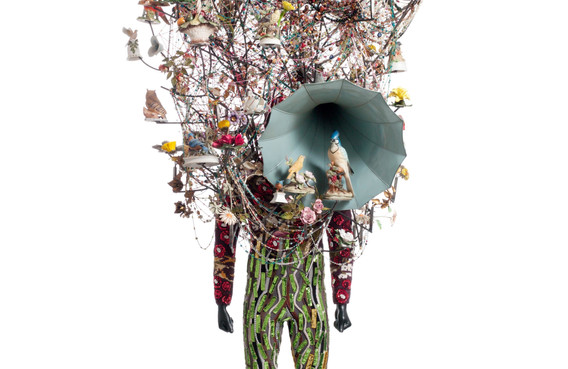
'Cave Soundsuit' — A gift from Agnes Gund, celebrating her contributions as a patron of the arts and longtime Trustee of MoMA. Photography: Gstaad Gallery Archive.

Recollection · December 2024

Living with Art:
Daniel Saffran
& Arno Saffran

Essay by Nina Pinault · Gstaad, December 2024

Gstaad Gallery, December 2024

Gstaad Gallery, December 2024. Photography: Gstaad Gallery Archive.

Daniel Saffran (1952–2025) played a formative role in the development of the programme.

1952 – 2025

Daniel Saffran was a private collector, a close friend of Guy Wildenstein, and a man who spent thirty years learning to live with two paintings. He died in 2025. This recollection, written from notes made at the time, is published with the permission of The Saffran Trust.

Living with Art: Daniel and Arno Saffran

By Nina Pinault. Written from notes made during and after a conversation at Gstaad in December 2024, and revised after Daniel's death.

Daniel Saffran visited Gstaad Gallery in December 2024 with his son Arno. The conversation centred on two paintings with which Daniel had lived for three decades: a Rothko and a Richter. This recollection is based on notes made during and after the conversation and is published with the permission of The Saffran Trust.

Daniel recalled first encountering the Rothko in a private apartment in Basel. He had not intended to look at art that evening, yet remained with the painting for several hours. The encounter became a reference point for his understanding of works that do not announce themselves, but reward sustained attention.

He acquired the painting the following morning. For Daniel, the decision was less a matter of explanation than of recognition: the sense that a work had become necessary to the room in which it would live.

The Richter was introduced to Daniel by Guy Wildenstein, who invited him to see the painting without presupposing an acquisition. Daniel contrasted its directness with the Rothko’s absorption: where the Rothko sustained a quiet encounter, the Richter demanded an active engagement with surface, history, and ambiguity.

Daniel remained uncertain about the Richter for years, at one point covering it and setting it aside. When he returned to it, the work was unchanged, but his response was not. The experience reinforced his conviction that a collection develops alongside the person who lives with it.

Daniel distinguished collecting from accumulation. For him, collecting required sustained attention and a willingness to allow works to alter one’s understanding. A significant work does not simply confirm an established taste; it introduces questions that remain active over time.

His support for emerging artists followed the same principle. Daniel described studio visits in Leipzig, Berlin, and London, and an interest in work before it had reached resolution. He regarded patronage as the provision of time and space in which artists could develop their language, and collecting as an engagement with what a practice might become rather than only with what it had already achieved.

Daniel and Pinault also discussed the role of conviction in collecting, particularly before institutional or market recognition. He described an approach grounded in looking closely and responding to the work itself, rather than waiting for external confirmation.

Arno recalled understanding the wider significance of the collection when a friend, visiting from university, encountered the paintings for the first time. Works that had become part of the domestic environment for Arno remained capable of producing an immediate and profound response in another viewer. The collection, he understood, had a life beyond the family that lived with it.

Asked what he would say to a new collector, Daniel returned to the distinction between investment and companionship. A work becomes significant through repeated encounters: when it enters the rhythms of daily life, remains in the mind when one is no longer standing before it, and continues to reward attention.

For Daniel, serious collecting required time. He advocated looking slowly and allowing a single work to develop its presence rather than moving rapidly from one object to another. The pace of the market, he suggested, need not determine the pace of looking.

Daniel also supported scholarships and young artists at the Royal College of Art, generally without publicity. He described this support as a way of protecting the conditions in which an artist can take risks, develop a practice, and find an independent voice. The principle was deliberately simple: provide support without prescribing the work.

For Arno, stewardship rather than ownership defines the responsibility of inheritance. His father had collected for the experience of living with the works; Arno’s role was to maintain the relationships and preserve the collection for those who would encounter it in the future.

Arno intends to continue his father’s support for emerging artists. Some artists once supported by Daniel have since established their careers; the commitment now extends to new generations. The emphasis remains on attention, trust, and practical support without unnecessary visibility.

Daniel described this not as a question of legacy, but of continuity: allowing the work of collecting and supporting artists to continue beyond the individual.

The conversation returned finally to what the paintings had taught him: that understanding is not a prerequisite for attachment, and that uncertainty can be part of a lasting relationship with a work. His account of collecting was ultimately one of attention, patience, and the recognition of an encounter that cannot easily be planned.

I would not part with it even if I were to lose everything. Some things are not for sale. They are for keeping. — Daniel Saffran, on his 1958 Rothko
Don't collect for investment. Collect for company. You don't sell companions. — Daniel Saffran

Daniel Saffran died in 2025. This recollection is published with the permission of The Saffran Trust. The Trust continues his support for emerging artists, quietly, without announcement.

Living with
Art

Ongoing Series · Gstaad Gallery

Not everyone who lives with art is a collector in the recognised sense. Some have inherited a single painting. Some have bought things from estate sales for a few hundred francs. Some have spent decades looking, without ever spending very much at all.

This series is an attempt to record those lives. The pieces collected here are written from memory and from notes, and are published with the permission of each subject. They share a belief — not in the market value of art, but in what art does to a life lived in its presence.

Essays and recollections by Nina Pinault

Tina Breitenbach:
The Education of a Bern Collector

Tina Breitenbach is a collector based in Bern. Born near Salzburg, Austria, she has lived in Bern for more than fifty years and has developed her collection through estate sales and general auctions. A regular visitor to Gstaad Gallery, she approaches exhibitions through sustained looking and conversation.

Pinault first met Breitenbach at an exhibition of a young Swiss painter. Breitenbach had remained with a landscape for an extended period, attentive to its treatment of light. Her response was characteristic of her approach: precise, patient, and grounded in observation.

Her most significant acquisition was a small oil by the English landscape painter John Anthony Park, purchased for CHF 150 at a clearing sale near Bern. A specialist in Zürich later confirmed the attribution and valued the painting at several thousand francs. Breitenbach chose to keep it. It hangs in the living room of the house inherited from her mother, where her late husband Klaus also spent time with it.

It is not about the value. It is about the finding. It is about learning something new. It is about being surprised. — Tina Breitenbach

Breitenbach measures the significance of a work by the duration and quality of the attention it sustains rather than by its market value. Her approach offers a direct proposition: the works worth keeping are those that continue to reward looking over time.

Published with the permission of Tina Breitenbach. Essay by Nina Pinault.

Tina Breitenbach at her home in Bern

Tina Breitenbach at her home in Bern. Photography: Gstaad Gallery Archive.

Agnes Gund, recollection by Nina Pinault

Agnes Gund at home in New York, 2023. Photography: Gstaad Gallery Archive.

Agnes Gund

Agnes Gund did not give many interviews. She did not need to. Her life was the work. In March 2025, she agreed to speak with me over Zoom from her home in New York — about Rothko, about Twombly, about the responsibility of a collection, and about why you keep some works and let others go.

What follows is not a transcript. It is what I remember of the conversation, written after her death in September 2025, with the permission of her estate.

Art is not an investment. It is a companion. Some companions are easy. Some are not. — Agnes Gund
Read the Recollection

Daniel and Arno Saffran

Daniel Saffran (1952–2025) spent thirty years living with works by Rothko and Richter. He was a close friend of Guy Wildenstein. He did not collect for investment. He collected for company. He died in 2025. This recollection — written from notes made after a conversation at Gstaad Gallery in December 2024, with his son Arno — is published as a posthumous tribute.

The Saffran Trust continues his legacy. Arno Saffran, who stewards the collection, continues the support for emerging artists his father began — quietly, without announcement.

Don't collect for investment. Collect for company. You don't sell companions. — Daniel Saffran
Read the Recollection
Daniel and Arno Saffran, Gstaad Gallery, December 2024

Gstaad Gallery, December 2024. Photography: Gstaad Gallery Archive.

"The ones you look at for an hour — those are the ones you keep."
— Tina Breitenbach, Bern

The Living with Art series is ongoing. If you would like to be considered, or to propose a subject, enquiries are received directly.

info@gstaadgallery.com